In a way that I never thought possible, House of the Dragon has reinvigorated my investment in the Game of Thrones world through a near-ceaseless barrage of great writing, direction and acting; most of all delivering some of the best character work ever put to the television screen. However, that’s not to say that it’s perfect – the story becomes buried under its own complexity, with the show’s many moving parts constantly battling to see the light of day, and the further into the ten episode run you get, the more it feels like the writers had bitten off more than they could chew.
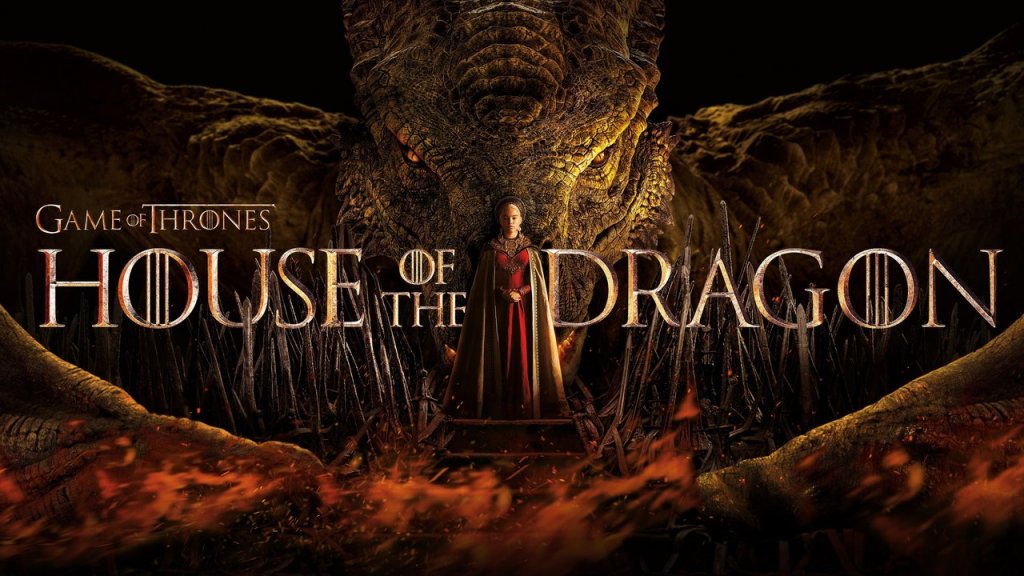
I’m not sure there ever has been, or perhaps ever will be, a bigger dropping of the ball in television history than the eighth and final season of Game of Thrones, with a conclusion that quickly turned the most widely beloved series of its time into the most disappointing, but I’ll forever thank the powers that be for the beautiful irony of Thrones‘ showrunners having their Star Wars trilogy canned after reportedly rushing the ending of the show out of the door in order to jump ship to Lucasfilm. Truth be told, Season 8 was something of a turning point in my life too – I was a devout fan of the series, but the finale was such a disappointment that it lit that first spark of critical thought in my mind, allowing me to break through a mushy layer of vapid consumerism and start to see media for what it was, and not just a long line of products for me to be aimlessly excited about. Flash forward a little over three years, and here we are with House of the Dragon; the first Thrones spinoff to come to fruition, based on parts of George R.R. Martin’s Fire and Blood novel. However, with the cloud of Season 8 hanging over its head, and some questionable marketing that suggested the show would lean on a feminist slant, it seemed like the prequel may have been doomed to failure, but after wrapping up it’s ten episode run today, it turned out to be quite the opposite.
Spoilers ahead!
House of the Dragon‘s first season has a fairly simple premise all things considered – it takes us back to the glory days of House Targaryen, around 200 years before Thrones, and even though above all else it’s predicated on the issue of the royal succession, beneath that lies a complex web of political schemes and threads of self-serving machination. By the nature of the story, the show is more calculated and dramatic, much in the same way that Thrones‘ first season was compared to its later seasons, and therefore it places tremendous weight on its characters, their motivations and how they react to the events of the story as they unfold. This mature approach to storytelling is wholly supported by incredibly strong dialogue and a flawless grasp on tone and atmosphere that keeps you engrossed from start to finish; there’s no off-kilter quipping cutting through dramatic moments, or mandated action sequences every episode – the story is allowed to flow freely, making what could sound like a rather dull show on paper one of the most exciting seasons of television I’ve seen for a long while. Every character has crystal clear motivations and a strong characterisation that informs their actions and by extension their response to developments in the plot, yet simultaneously they manage to keep an inherent depth about them, with the writing demonstrating that players both big and small have more to them than their outward ambitions. This is only bolstered by fantastic performances from across the entire ensemble cast, presumably brought to bear by competent directors that respect their craft, and this manifests most of all in small cues that allow you to read further into the characters and their thoughts without making it explicit; rewarding you the more you pay attention to what happens on screen.
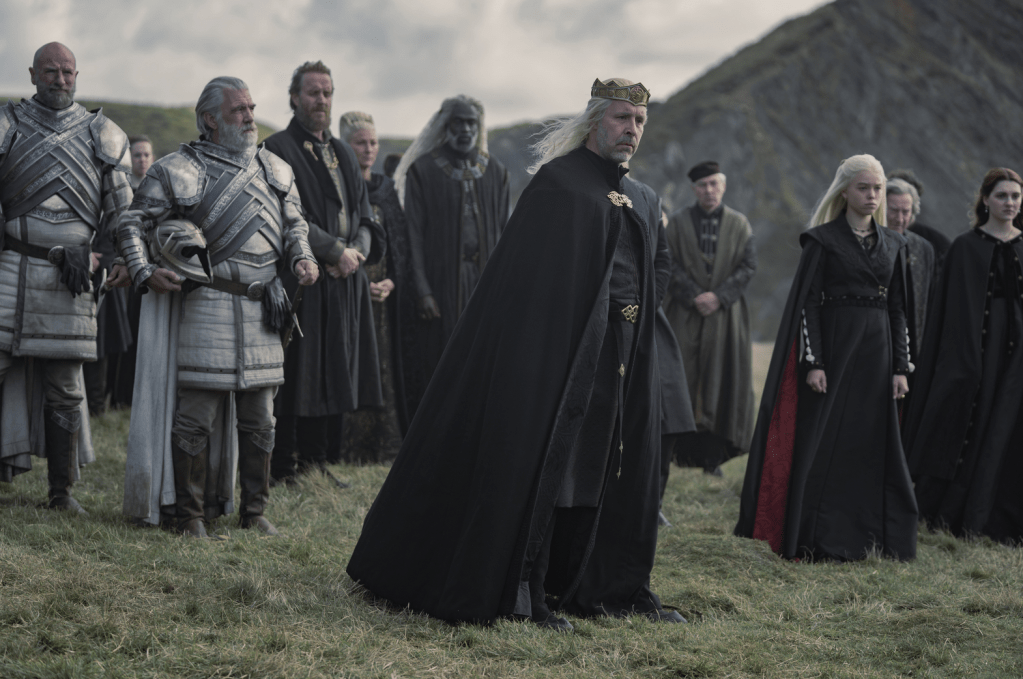
It’s with these strong foundations, built with the intrinsic quality of the writing, acting and direction, that House of the Dragon is able to construct its plot and deliver it in a way that keeps you feeling not only invested, but excited too, in spite of the rather dreary prospect of a story so heavily rooted in politics and family drama. Beginning at the height of the reign of King Viserys I (Paddy Considine), House of the Dragon‘s first five episodes present the kind-hearted King with all manner of issues as he struggles in matters of his succession, distant wars, ailing health, and most of all keeping his royal family in check. The atmosphere of prosperity and stability delivered through much of Episode One is cut short as a brilliant sequence contrasting bloody melees at a knight’s tourney with a difficult childbirth ends on a solemn note with Viserys losing both his wife and his newborn son. Guided by his grief and the increasing pressure for him to produce an heir, Viserys breaks centuries of tradition by naming his daughter Rhaenyra (Milly Alcock) as his successor, which serves as the inciting incident for the remainder of the season. Rhaenyra becomes a key focus of the story as she tries to reconcile her desire to rule with her attempt to rebel against traditions and duty, but as the first half of the season closes out, Rhaenyra learns that as royalty, embracing her duties yields more freedom than shying away from them. Her marriage at the end of Episode Five is a key turning point in the story for more than just Rhaenyra; her friend-turned-rival Alicent Hightower (Emily Carey) begins to look out for her own wants and desires outside of that sense of obligation, and this creates an irreparable rift between the two sides of the Targaryen dynasty that proves to be pivotal leading into the second half of the season.
With a ten year time jump between the two halves of the season, a number that happened already, and with more to come, cracks begin to show as the story’s sense of pacing begins to crumble. It begins to feel less and less serialised and more like an itinerary of key events the writers wished to have out of the way prior to a second season; detracting from the plot and making it harder to get a grasp on some of the characters as the series progresses – which isn’t helped by a huge number of actor changes throughout the season. Nevertheless, the second half still manages to uphold a compelling narrative; now beset by tragedy as death after death stokes the tensions between the two factions of the Royal Family, now known colloquially as “The Greens” and “The Blacks”. The legitimacy of Rhaenyra’s children becomes a central point of conflict as issues of succession are once again called into contention, and with Viserys’ health in steep decline, his power over his court becomes ever more shaky. However, it all bands together to deliver not only the best payoff of the season, but one of the most moving scenes ever put to television, as the ailing King takes to the Iron Throne to reassert his loyalty to his daughter, with Episode Eight cementing Paddy Considine’s performance as one of the most legendary in television history. Nevertheless, his inevitable death demonstrates that his good nature proved to be the undoing of all he had worked to uphold, as the final two episodes offer parallel perspectives on how the Greens and the Blacks react in the wake of his passing. Both factions crown a respective monarch, setting the scene for conflict, and as the series ends on a shocking accidental death, it seems that the two halves of the Royal Family are poised for war leading into future seasons.

While its writing carries the brunt of House of the Dragon‘s prestige, it can’t be ignored how it excels in many facets of its design and direction. While it’s very much clear that the aesthetic of the show borrows heavily from Game of Thrones, to the point where it borrows a number of musical pieces (including a main theme), has its own version of Thrones‘ opening credits, and reuses countless sets and designs, it also makes strides to differentiate its visuals too – providing areas of the Red Keep, King’s Landing and other familiar locations with refreshed looks that aim to create a more archaic feel in keeping with the chronology of the story. Unfortunately it seems to have carried with it some of Thrones‘ less desirable characteristics too, particularly a poorly considered approach to lighting that makes certain scenes very difficult to watch, and in the case of Aemond taming the dragon Vhagar; borderline impossible. Still, there’s plenty more that the show offers to an excellent standard, especially on the back of its considerably HBO-sized budget – for one, the master craftsmanship of the costuming team behind this show cannot go without praise, especially with how various outfits reflect the subtext of the storyline, and the same admiration must certainly be levelled against the talented makeup artists of the show, more than anything for their incredible work in turning Paddy Considine’s Viserys into a nightmarish ghoul over the course of the season. Skilled editing adds an extra kick to not only individual scenes, but the structure of the season as a whole, while Ramin Djawadi’s fantastic score offers both memorable motifs and added emotional weight to a number of key scenes. If that wasn’t enough – quality CGI and fantastic set design also lend a great sense of realism to the series’ fantasy world, and with expert choreography providing the show’s action scenes with a grounded, gritty touch, House of the Dragon clearly demonstrates a production talent equal to that of its writing.
With an eminent display of skill in every facet of its creation, there’s little question that House of the Dragon is worth your attention, particularly if, like myself, you’ve been longing for a salve for the wounds left by Game of Thrones‘ final season. In any case, it should be plainly obvious that I’ve enjoyed the show terribly, owing more than anything to the simply excellent work put in to bring its characters to life; chief among them Paddy Considine’s King Viserys, who I don’t doubt will be showered in accolades during the upcoming awards season. Still, I have found it difficult to reconcile what I enjoyed about the show with what I didn’t, and ultimately this season’s issues with pacing and relentless time skips have overstepped the mark and disrupted the flow of an otherwise masterfully told story. I couldn’t shake the feeling that two seasons worth of plot was crammed into one; leaving me teetering on the border between ratings, and sadly after much deliberation I’ve elected to give it a lower score than I might have liked. Nevertheless, with a second season all but guaranteed, and the nature of the source material indicating that any disruptions to the story will be far less often and far less drastic, my hope for the show’s future is bright – so long as this level of quality can be maintained.
8/10


 A.J. Slater
Leave a comment