Through its delivery of an excellently constructed setting from both a written and visual standpoint, and a consistently adequate story across its six-episode season, Daryl Dixon proves to be a touch above other spinoffs in the Walking Dead universe, but by failing to provide sufficient depth to its characters – chief amongst them the titular protagonist who was already in dire need of some complexity – it fails to capitalise on that which it does do well, and ultimately consigns itself to the throes of mediocrity.
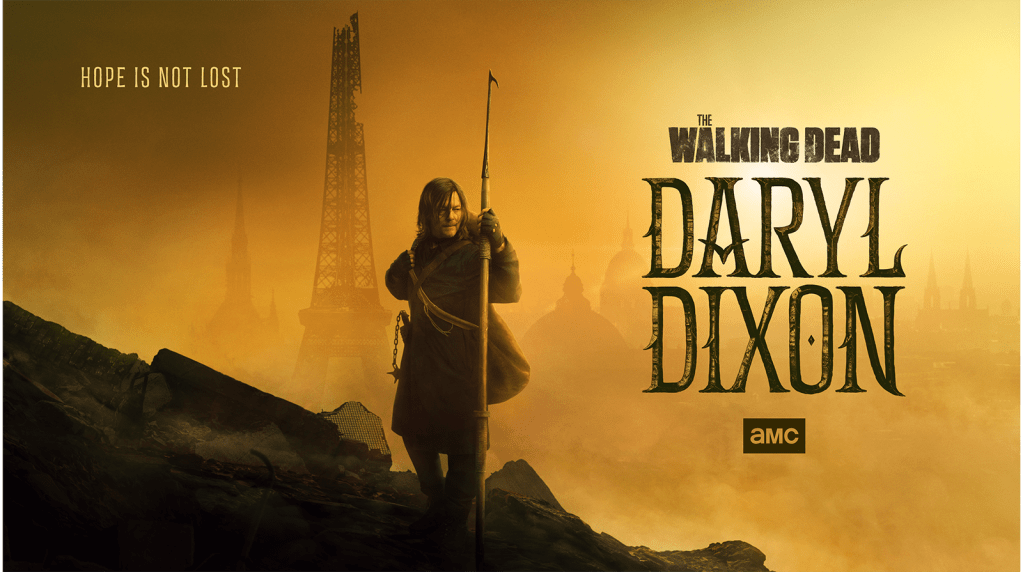
It’s strange to think that Norman Reedus’ Daryl Dixon was initially headed for the chopping block in the early episodes of The Walking Dead‘s first season, but the showrunners’ confidence in Reedus’ performance payed off, as he became one of the leading fan favourite characters over the main show’s eleven season run. Personally I felt that Daryl never really clicked with me all that much; coming across as more of a one-note personality with his tough guy disposition and lone wolf shtick, even in the later seasons when he was given more of a spotlight as a lead character. Nevertheless, I can see why his enduring popularity made him a prime candidate to take the starring role in one of AMC’s Walking Dead sequel shows, but I figured that the aptly named Daryl Dixon series would be a good chance to give the character some much needed depth. Still, in spite of a pretty enticing trailer for the first season that heavily showcased its unique setting, I’ve kept my expectations low coming out of the first of the follow-ups, Dead City, after it proved to be intensely stale in its writing (you can read my review here!), but having dipped my toes in with that, it’s only fair that I give Daryl Dixon the chance to give The Walking Dead franchise a much-needed breath of fresh air.
Spoilers ahead!
Daryl Dixon breaks from tradition with the rest of the Walking Dead franchise right off the bat as we open on our titular character washing ashore in France of all places, having crossed the Atlantic from his home in America under mysterious circumstances, which immediately gives the season a solid narrative backbone as the audience tries to piece together how Daryl might have ended up here following the finale of the main show. As with Dead City‘s post-apocalyptic Manhattan, the production team certainly don’t waste the chance to deliver something unique in Daryl Dixon‘s French setting, as our waylaid protagonist wanders the overgrown and abandoned streets of Marseille, before coming up against mutated walkers, eerie religious iconography, backstabbing survivors and a dangerous militia wielding black powder guns and medieval weaponry. Those distinct facets of the setting carry through the entirety of the season; lending the show a refreshing aesthetic that sets it aside from other areas of the Walking Dead franchise, as well as just being generally enjoyable in their own right. After being taken in by a convent of nuns, Daryl is tasked with delivering a young boy, Laurent (Louis Puech Scigliuzzi), to the a sanctuary in the north of the country in exchange for help in returning to the USA, but as you’d expect their journey is fraught with danger from the living and the dead alike, especially as the militia take a vested interest in capturing our heroes.
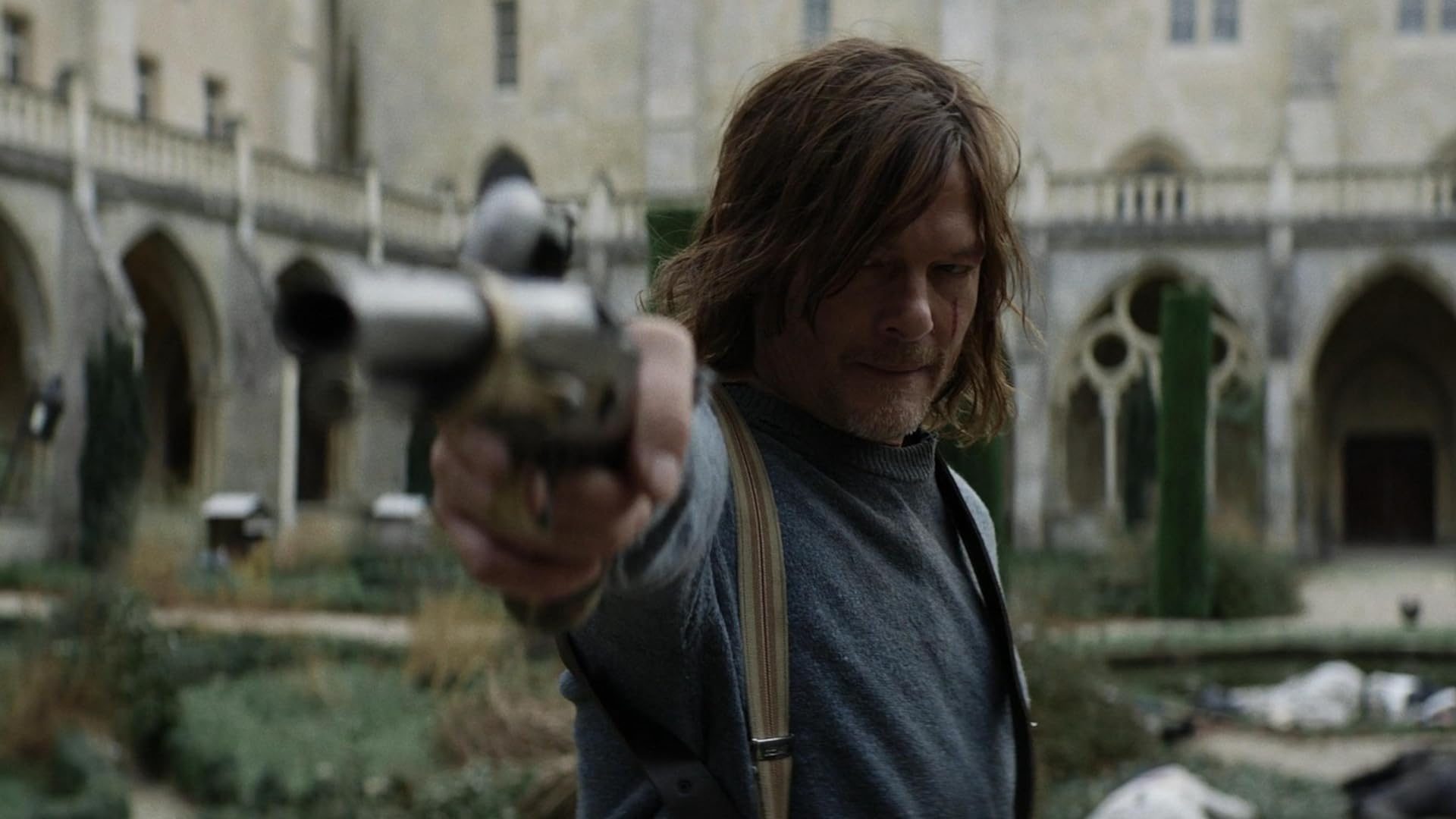
Naturally, by the end of the six-episode run they of course complete their mission, but it’s a relatively enjoyable ride along the way as we visit various excellently apocalyptic recreations of French locales; meeting a cohort of survivor factions that further contribute to the series’ great worldbuilding, and we also gradually uncover the mystery behind Daryl’s arrival in Europe and its connection to the main plot – albeit a flimsy one, as Episode Five reveals that Daryl was captured by the militia after unknowingly gathering walkers for their experiments. Between the mutant zombies and Laurent’s borderline supernatural intuition, the story does lean into some of the more fantastical elements of the franchise, but it doesn’t really touch on them enough to justify their inclusion, which is a shame given how other Walking Dead shows have stressed the importance of France as the origin of the show’s viral outbreak. Regardless, while it may have its flaws, and often still leans on the same tired tropes that the franchise has delivered for over a decade, Daryl Dixon‘s plot is certainly a step above Dead City, and is generally in the upper echelons of what you can expect from The Walking Dead in terms of story content – even if it does feel suspiciously similar to The Last of Us at times, which isn’t a good look considering the HBO television adaptation of that story only released at the beginning of this year – you can read my review for that show here!
Much like Dead City, Daryl Dixon places an equal importance on its characters as it does its story, but also much like Dead City, it fails to deliver on that commitment effectively. I was disappointed to find that Daryl himself doesn’t see that much of an evolution coming out of the main series, even if late in the season he starts to ask himself the question of his purpose in the world. Considering the heavy religious aspects of the story, it would’ve been fitting to see Daryl faced with dilemmas of belief, which for one would’ve added a huge dimension to his character, and for another would’ve been a much stronger reason for him to remain in France with Laurent had he undergone an arc that saw him embrace the Union’s faith in the boy. Laurent himself makes for a very sympathetic character as his sheltered upbringing clashes with the harsh reality of the world, and with Daryl’s guidance he gradually begins to mould himself into a survivor, but I do find it a little irritating that the show doesn’t really make an effort to elaborate on why he’s supposedly “the new Messiah”. Joining the pair on their travels, amongst other minor characters, is Clémence Poésy’s Isabelle; a nun who holds a secret connection to Laurent, but aside from a lukewarm pointer to issues of self-harm and substance abuse, and unfulfilled hints of a romance with Daryl, she serves to be little more than a thinly veiled dispensary of exposition to guide audiences through the new setting.
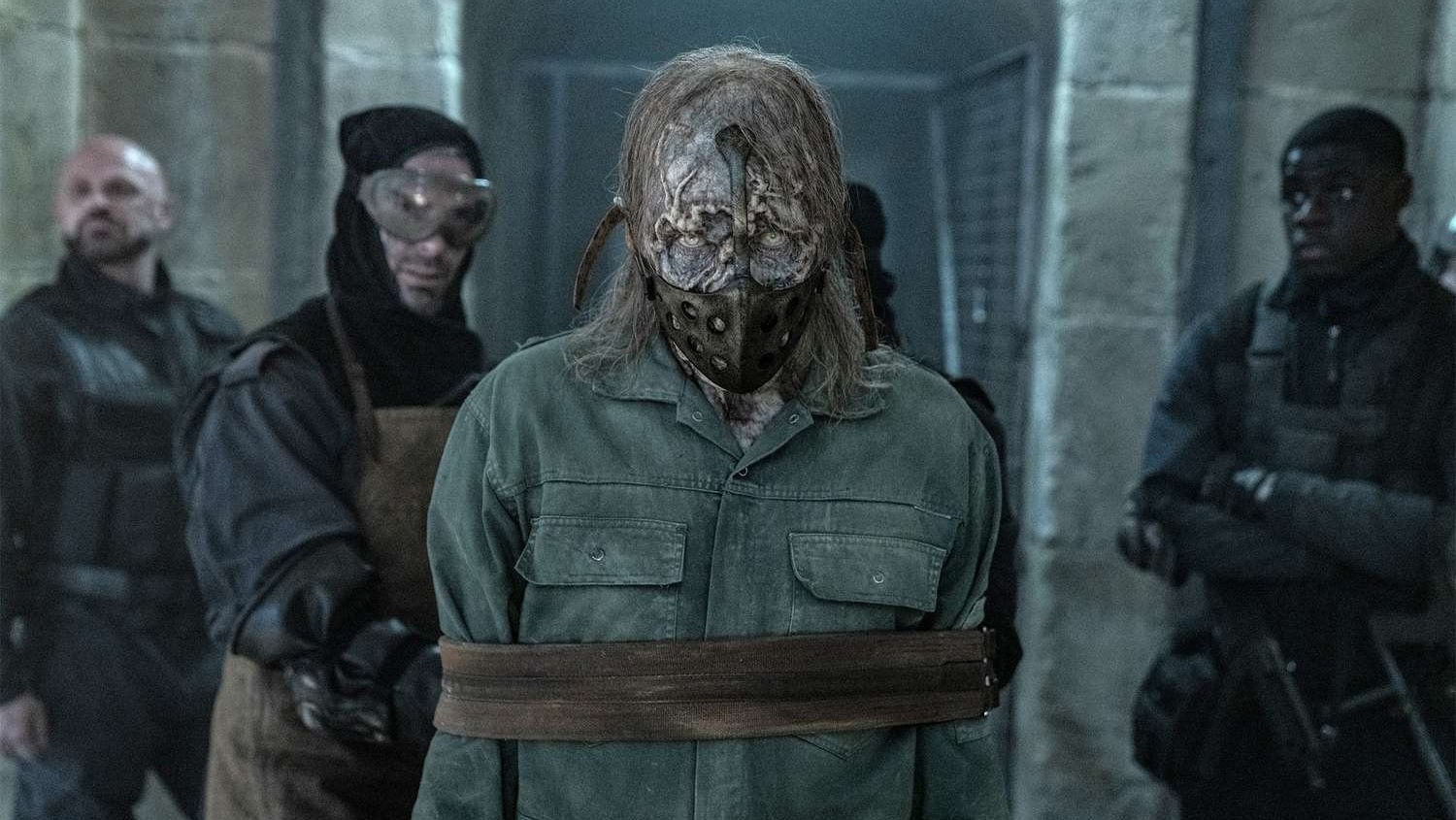
Unfortunately, I don’t think you can expect Daryl Dixon‘s antagonists to prove any more interesting either – Codron (Romain Levi) is the first big player amongst the Pouvoir des Vivants militia that we come to meet in Episode One, and when he’s led to believe that Daryl killed his brother, he sets out on a bloody path of revenge that makes him a powerful presence in the early season. However, he soon loses a lot of his initial appeal as he falls back onto the role of the brutish henchman whilst other villains come to the forefront, but the real kicker comes in the finale, when he makes the absurd decision to murder his own men to save Daryl and his companions; an utterly out-of-pocket departure from his character up until that point. It’s Anne Charrier’s Genet who takes a more active role in the story from the middle of the season, but she’s quite possibly one of the blandest villains that The Walking Dead has offered in its entirety thanks to an absolutely hollow characterisation and painfully obscure motivations, and only seems to serve as a vague figurehead for the threat that the militia poses to our protagonists. Despite being unceremoniously killed off, Adam Nagaitis’ Quinn is the certainly the most engaging antagonist that Daryl has to offer in the way that his values and motivations play into the story, but he was in dire need of a little more backstory to flesh out his relationship with Isabelle and create a stronger foundation for his characterisation.
Like Dead City, it seems that in the face of a well-crafted setting, Daryl Dixon‘s fatal flaw is being plagued with good ideas that are never fully realised by the show’s writers, to the point where it’s bogged down in half-cooked plot points that progressively hinder the story more and more. While it certainly feels like a marked improvement over the prior spin-off, thanks to a somewhat significant elevation in the quality of its storyline, Daryl is unfortunately still held back by lacklustre character writing, which is all the more disappointing considering how desperately this show needed to expand upon its titular protagonist. Nevertheless, I did actually enjoy the show for what it’s worth, even if I did find my gaze turning to my phone screen a few times out of sheer boredom, but it simply wasn’t at the level it needed to be, and as such I don’t think I could comfortably rate it any higher than this. So, on the back of two disappointing sequel shows, things don’t look good for the upcoming The Ones Who Live miniseries set to feature Andrew Lincoln’s return as the legendary Rick Grimes, and in all likelihood that show will probably serve as a make-or-break for my already declining investment in The Walking Dead franchise going into the future.
5/10


 A.J. Slater
Leave a comment