A tottering procession of box-ticking and vapid spectacle, 1899 fails to capture one’s imagination with its characters nor its central mystery, making the whole ordeal feel like an aimless exercise in creating questions with no answers. Stir in the painfully conspicuous dialogue, predictable twists and exhausted tropes, and you’re left with not much more than a continuum of cool visuals and a yearning for resolutions that never come.
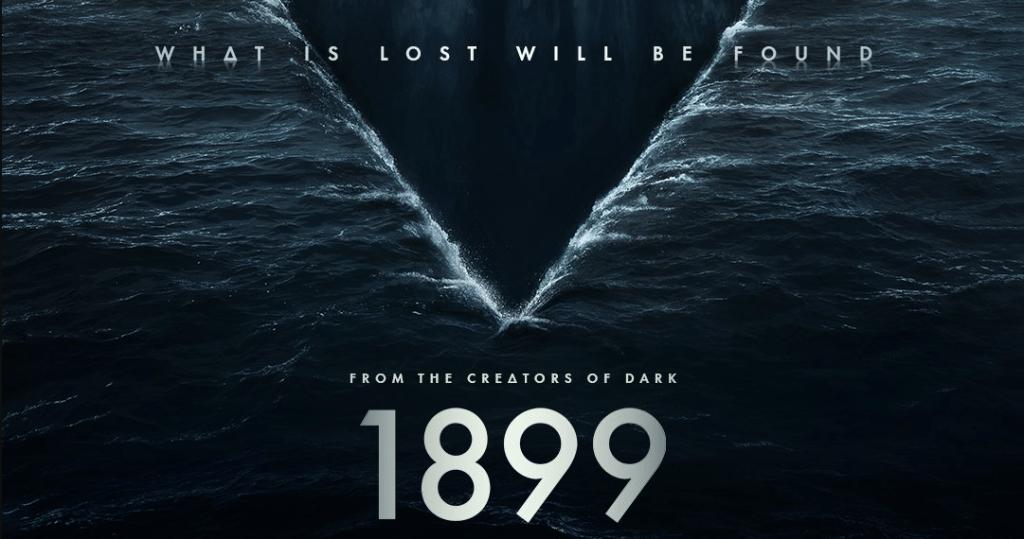
I’d been meaning to watch Netflix’s German sci-fi thriller Dark for some time after hearing high praise levelled upon it, but just hadn’t had the chance to get around to it quite yet. However, I did become aware that its creators had moved onto producing a new series, 1899, set to be released this year, and early promotional material had me intrigued. A lite-horror mystery set on a migrant ship bound for America in the 19th century sounded like a premise with potential, so I figured it would be a good place to jump in before taking on Dark, but I can’t say that I’ve been filled with optimism for the creators’ other works.
Spoilers ahead!
1899‘s premise is fairly simple – the Kerberos, an steamship carrying passengers from all over Europe to start a new life in the United States, is rerouted when they receive a distress call from a sister ship, the Prometheus, long thought missing. A rescue mission led by the Kerberos’ diligent captain, Eyk Larsen (Andreas Pietschmann), reveals that the Prometheus is abandoned, with the exception of a seemingly mute boy carrying a strange pyramid object. However, from here on out, things are anything but simple – increasingly strange events plague the crew and passengers aboard the Kerberos, from a string of mysterious deaths and traumatic hallucinations to the uncovering of secret alcoves in the cabins and even the teleportation of the whole ship to a vast, empty ocean. Believing the mysterious boy responsible, many of the crew and passengers take up arms and mutiny against the captain, hindering his investigation into the supernatural goings-on, leaving him and his allies under attack and in desperate need of answers. It’s fairly obvious that the mutiny subplot is there to pad out the season’s allocated eight episodes, and at this point the “religious people misunderstand the situation and become an obstacle for the protagonists” scenario feels so exhausted in these sorts of stories. There’s not much more creativity to be found in how the main characters navigate the central mystery either – there’s countless moments where one of them will come to a conclusion about something that’s happened, that just happens to be right on the mark despite how ridiculous it would sound in the context of the setting.
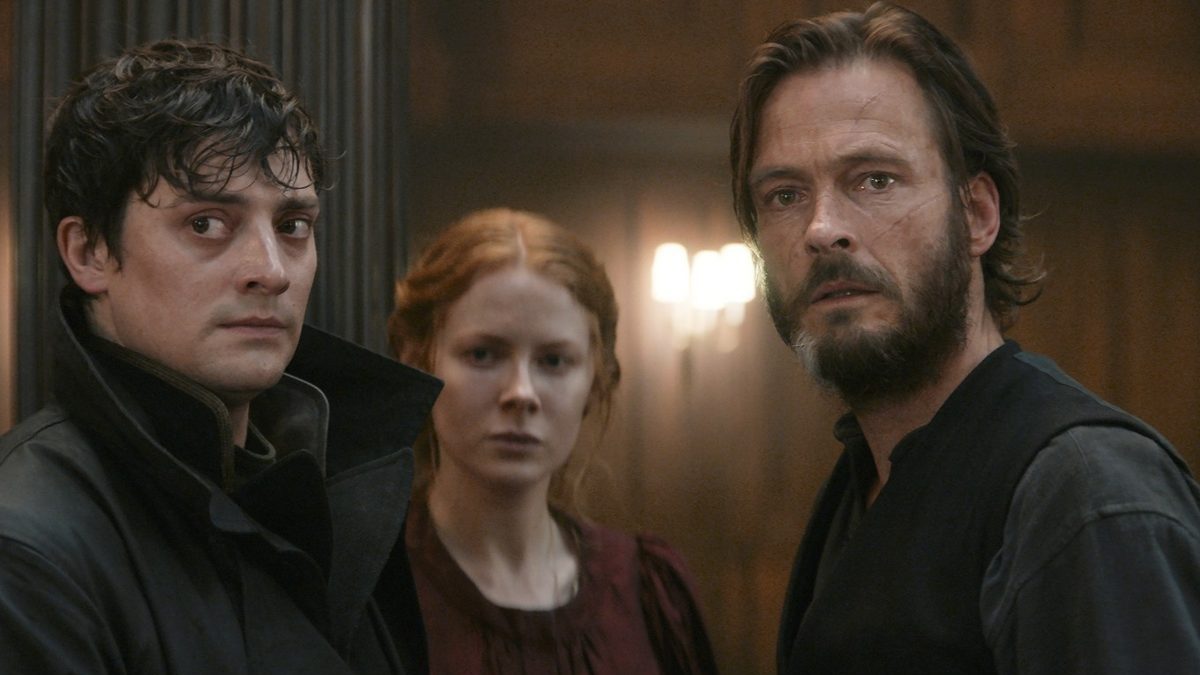
Truthfully, 1899 hurls each abnormal incident at you one after the other, and it only heaps up on top of existing questions like the identity of the boy from the Prometheus, or the mysterious man Daniel (Aneurin Barnard) walking the halls of the ship with advanced technology and… door opening beetles? Even then, by the end you aren’t given much in the way of answers – the show explains away its big mysteries with little more than “it’s a simulation, don’t think about it”, and I’m not even sure I can call it a lazy conclusion when it doesn’t feel like a conclusion whatsoever; hardly even answering many of the questions that earlier episodes leave left you with. Even then, you aren’t exactly clued into the nature of the simulation anyway, with the cliffhanger ending being that Maura (Emily Beecham), the supposed designer of the simulation, is trapped on-board a spaceship in the year 2099 at the mercy of her missing brother, who co-opted control of the simulation from their father Henry (Anton Lesser), who had in the first place co-opted it from her. The best you get as to an explanation behind the purpose of the simulation is a vague, rambling monologue from Henry about the weakness of human emotion – not at all a cliché motivation for a villain. To say that the mystery behind 1899 is poorly constructed is generous – it feels very much like the writers dumped their ideas for moments of unfounded spectacle into the script one after the other, and tried to tie it together at the last minute with the easiest explanation they could come up with.
Unfortunately the character writing doesn’t fare much better than the plot – the effort feels spread thin across 1899‘s ensemble cast, with each of them feeling like they were made from a template of “defining character trait plus a tragic backstory”. Netflix being Netflix, they don’t waste an opportunity to tick some boxes either – you’ve got your gay characters, ethnic characters, strong independent women, bumbling insecure men, and comically evil religious people, all of whom are unrelentingly hammered into the story with the nuance of a cast iron pan to the face. Ironically the show hardly needed to follow the doctrine of “appealing to modern audiences” to make its characters feel diverse when the story had the framework to examine and contrast various European cultures. It’s an opportunity that the writers largely wasted, but nevertheless seemed to be aware of when making the conscious decision to have the characters all speak in their native languages; something I frankly wish happened more across entertainment (even if 1899 can feel a little thin when characters are often talking at others who supposedly don’t understand them). What remains is an underwhelming group of contemporary archetypes that you’re given very little reason to care for – their backstories rarely influence their actions or characterisation; instead you’re essentially beaten over the head with the idea that their lives are sad and you’re supposed to be rooting for them. There’s practically nothing in the way of arcs for any of the main characters, and honestly it feels like they could have cut down a significant number of them to deliver a more focused story around the more important players like Maura and Eyk.
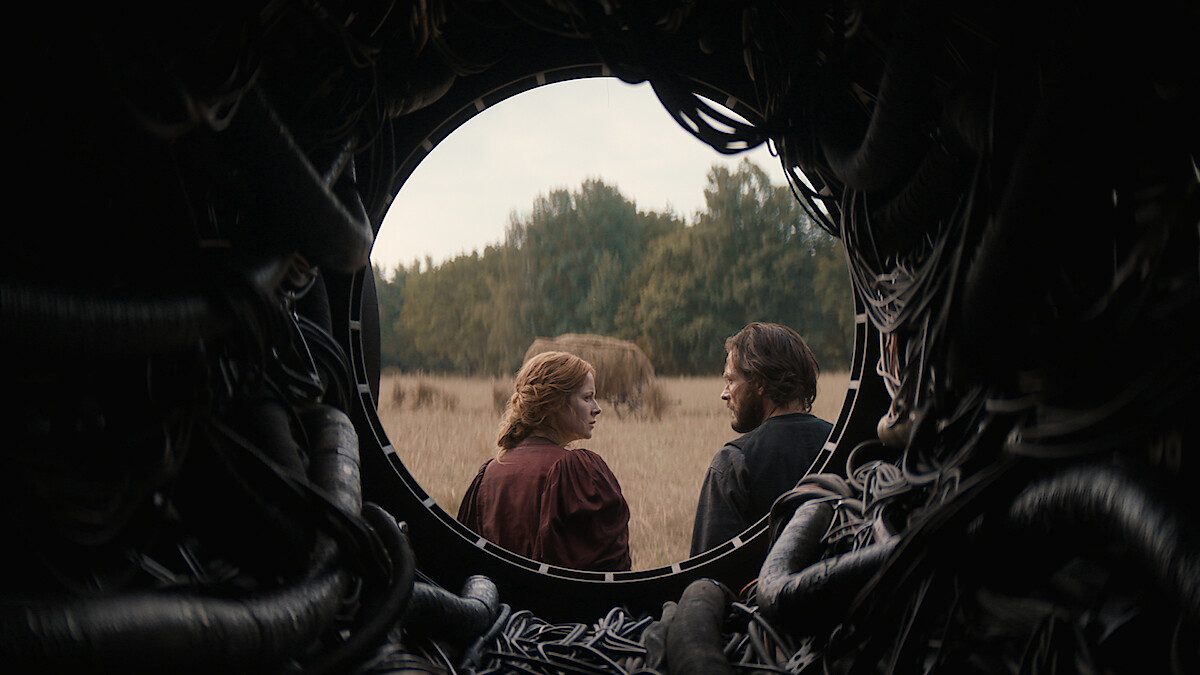
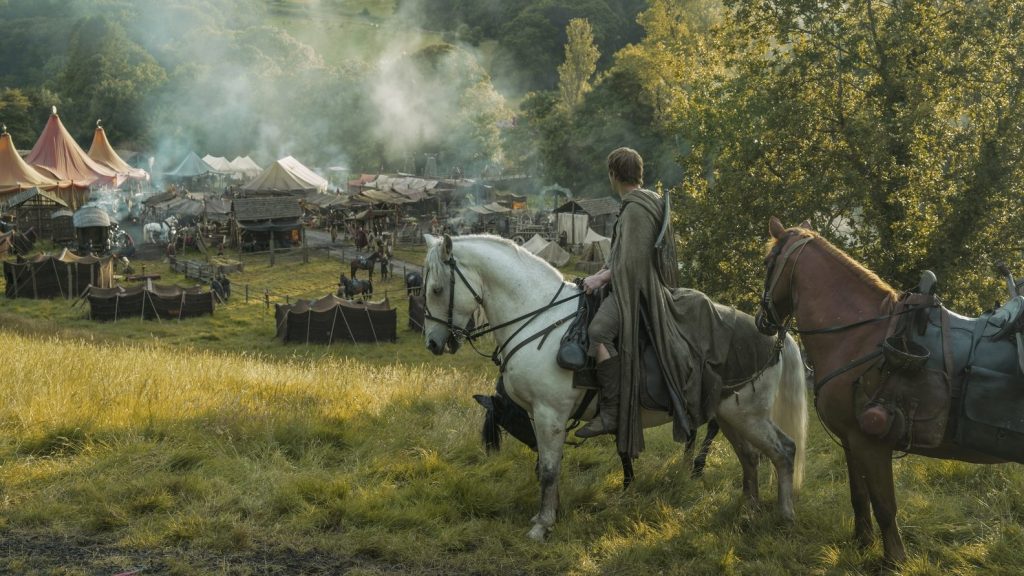
Although the writing leaves much to be desired, there’s no question that 1899 is at least somewhat enjoyable on a technical level. The cinematography is wholly captivating, from the haunting, fog-laden top deck of the Prometheus to the decrepit and lifeless graveyard of ships, there’s plenty of moments that make for a stunning still frame. The same can be said of much of the set design, with the decadent guest quarters, cold and claustrophobic passenger bunks, and the glowing hues of the ship’s furnaces all feeling worlds apart from one another. Even a lot of the prop and costume design feels exquisite, but as much as the effort that went into the show is clear, it also stings a little to see such creative power go to waste on an extremely disappointing script – the same can be said of the actors, who try their very best with the material they’ve been given, especially working so effortlessly with the multilingual dialogue. Still, it’s not all perfect – the score is far from memorable, the rock soundtrack feels jarringly out of place, and the overuse of Jefferson Airplane’s White Rabbit in a show about false realities is perhaps its most eye-rolling cliché. Even then, the fact is that all the grandiose filmmaking technique in the world can’t compensate for a bad script, so there’s very little saving grace to be found for 1899.
All in all, I can’t say I’ll be rushing to watch Dark sooner than intended, nor am I particularly excited at the prospect of a second season for this show, reminding me of the danger that going into entertainment with high hopes can pose. In spite of the fleeting highs of an impressive production, it’s ultimately the uncreative and unengaging mystery, bland characters and wasted potential of 1899 that consign it to the cold watery depths of a sea of television shows I hope I never have to revisit, even if a presumed second season does materialise in the next few years.
3/10




Leave a Reply